Understanding Parrot Behavior and Needs
Parrots are known for their remarkable intelligence and vibrant social nature, which significantly influences their behavior. These avian companions exhibit complex patterns of interaction that reflect their need for mental stimulation and social engagement. Parrots are naturally curious creatures and thrive in an environment that allows for exploration and discovery. This inherent playfulness is a characteristic that owners must consider when choosing appropriate parrot toys and entertainment options. The necessity for mental stimulation cannot be overstated; without it, parrots are prone to boredom and may develop undesirable behaviors such as feather plucking or excessive screaming. Thus, providing a stimulating environment is crucial for their well-being. Toys play an essential role in this context. They not only offer physical activity but also challenge parrots mentally, serving to occupy their attention and reduce the risk of behavioral issues stemming from monotony. Understanding parrot psychology extends to recognizing their needs for interaction. Parrots are social beings that need to form bonds not only with their peers but also with their human caretakers. When owners engage their parrots with various toys and entertainment activities, they foster trust and connection, enhancing the overall relationship between them. Employing toys that require problem-solving can additionally cater to a parrot’s intellectual needs, providing a sense of accomplishment and satisfaction. In conclusion, recognizing the unique behavioral traits of parrots and their inherent need for mental and physical stimulation is vital for responsible pet ownership. By integrating a range of interactive toys into their daily routine, owners can significantly improve their parrot’s quality of life, ensuring these fascinating creatures remain happy, healthy, and engaged.Types of Parrot Toys: What to Choose?
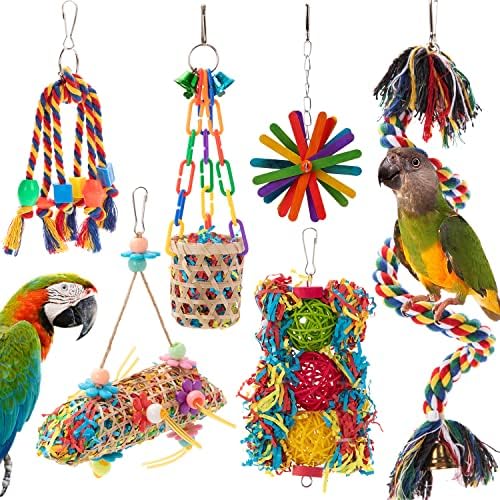
Choosing the right toys for parrots is essential for their mental and physical well-being. Parrots are intelligent and active creatures that require stimulation to thrive. There are several categories of toys available that cater to their needs, including chew toys, interactive puzzles, and climbing structures. Chew toys are crucial for parrot health, as they provide an opportunity for these birds to exercise their beaks, preventing overgrowth and promoting dental health. Materials such as untreated wood, coconut shell, and natural fibers are ideal for these toys, as they are safe and durable. It is important to choose toys free from toxic paints or chemicals, as parrots may ingest small pieces while playing. Interactive puzzles serve to challenge a parrot’s cognitive abilities and keep them engaged. These toys often require problem-solving to access treats or hidden compartments, stimulating a parrot’s intelligence and curiosity. Various designs exist, ranging from simple to complex, allowing owners to select toys that suit their pet’s skill level and species. For instance, senegal parrots may enjoy simpler puzzles, while African greys may require more intricate challenges. Climbing structures encourage physical activity and mimic a parrot’s natural habitat. These can range from simple ladders to elaborate jungle gyms made of safe materials. When selecting climbing toys, ensure they have no sharp edges and are sturdy enough to support the parrot’s weight. It’s beneficial to rotate climbing equipment regularly to maintain interest and promote exploration. To prevent boredom, it is advisable to rotate the toys every few weeks. This strategy not only keeps the environment stimulating but also allows the parrot to experience new challenges. By carefully selecting a variety of toys and considering safety materials, owners can provide an enriching play experience that meets their parrot’s needs.DIY Parrot Toys: Fun and Creative Ideas
Creating DIY parrot toys is an enjoyable and rewarding endeavor that not only provides entertainment for your feathered friend but also stimulates their mental and physical well-being. Engaging in such activities allows pet owners to utilize common household items, turning them into captivating playthings for their birds. This approach is budget-friendly and promotes sustainability, making it a responsible choice for environmentally conscious pet owners. One popular example of a DIY parrot toy is a simple cardboard box puzzle. To create this, take a sturdy cardboard box and cut several access points for your parrot to investigate. Fill the box with treats, newspaper, and other safe materials. Parrots love to explore, and this cube-shaped toy can keep them entertained for hours as they access the goodies hidden within. Another accessible option is to create a colorful bead toy using wooden dowels and various safe, non-toxic beads. Simply thread the beads onto the dowel and secure the ends. This not only provides visual stimulation for your parrot but also encourages them to explore various textures and colors. Additionally, the act of foraging for beads can promote natural behavior, enhancing its enjoyment and providing necessary mental engagement. It is essential to ensure all materials used are safe for birds. Avoid shiny objects that may contain harmful chemicals and use untreated wood or natural materials. Personalization is another advantage of DIY toys; you can modify the structures according to your parrot’s preferences and needs. Crafting these toys also fosters a fulfilling bond between the owner and the pet, as both engage in the creative process. In summary, DIY parrot toys not only provide a plethora of opportunities for fun and engagement but also reflect the unique personality of your pet. Owning a parrot can be a delightful experience, and making homemade toys adds a personal touch that enhances this bond. Consider these ideas as a starting point, and let your creativity flourish while enriching your parrot’s playtime.
Engaging Your Parrot Through Playtime and Interaction
Incorporating playtime into a parrot’s daily routine is essential for their mental and physical well-being. Engaging in interactive activities not only stimulates their minds but also strengthens the bond between the parrot and its caregiver. One effective way to achieve this is by teaching tricks, which can be both entertaining and educational. Parrots are intelligent creatures that thrive on learning new skills. Simple commands like “wave,” “spin,” or even more complex sequences can be taught using positive reinforcement methods. Clicker training is another enriching technique that captures a parrot’s interest while promoting good behavior. By using a clicker, owners can clearly communicate desired actions. When a parrot performs a trick successfully, the click sound serves as a cue, followed by a treat. This method not only encourages cognitive function but fosters a sense of accomplishment in the bird. Exercise is equally important in maintaining a parrot’s health, and it can be seamlessly integrated into playtime. Set up an area that allows your parrot to climb, swing, and explore various toys designed for exercise. Objects like ropes, ladders, and hanging toys can motivate physical activity, acting as an outlet for their natural instincts. Observing your parrot during these sessions can provide valuable insights into their preferences; this understanding can help tailor future play activities to suit their unique personalities. As you engage with your feathered companion, pay attention to what excites them the most—different toys, activities, or even the types of treats. Adjusting the playtime routine based on these preferences enhances engagement and can significantly improve the quality of interaction between parrot and owner. A well-structured playtime not only contributes to a parrot’s happiness but also builds a lasting, trusting companionship.