
Welcome to Wings Wonder where you can find a comprehensive guide to your amazing, feathered friend.
Taking care of a parrot requires commitment and knowledge. By providing a stimulating environment, proper nutrition, regular social interaction, and diligent health care, you can ensure your parrot leads a happy and fulfilling life. Remember, a well-cared-for parrot can bring joy and companionship for many years.
Parrots are vibrant, intelligent, and social birds that make fantastic companions. However, they require dedicated care and attention to thrive. This guide will cover the essentials of parrot care to ensure your feathered friend remains healthy and happy.
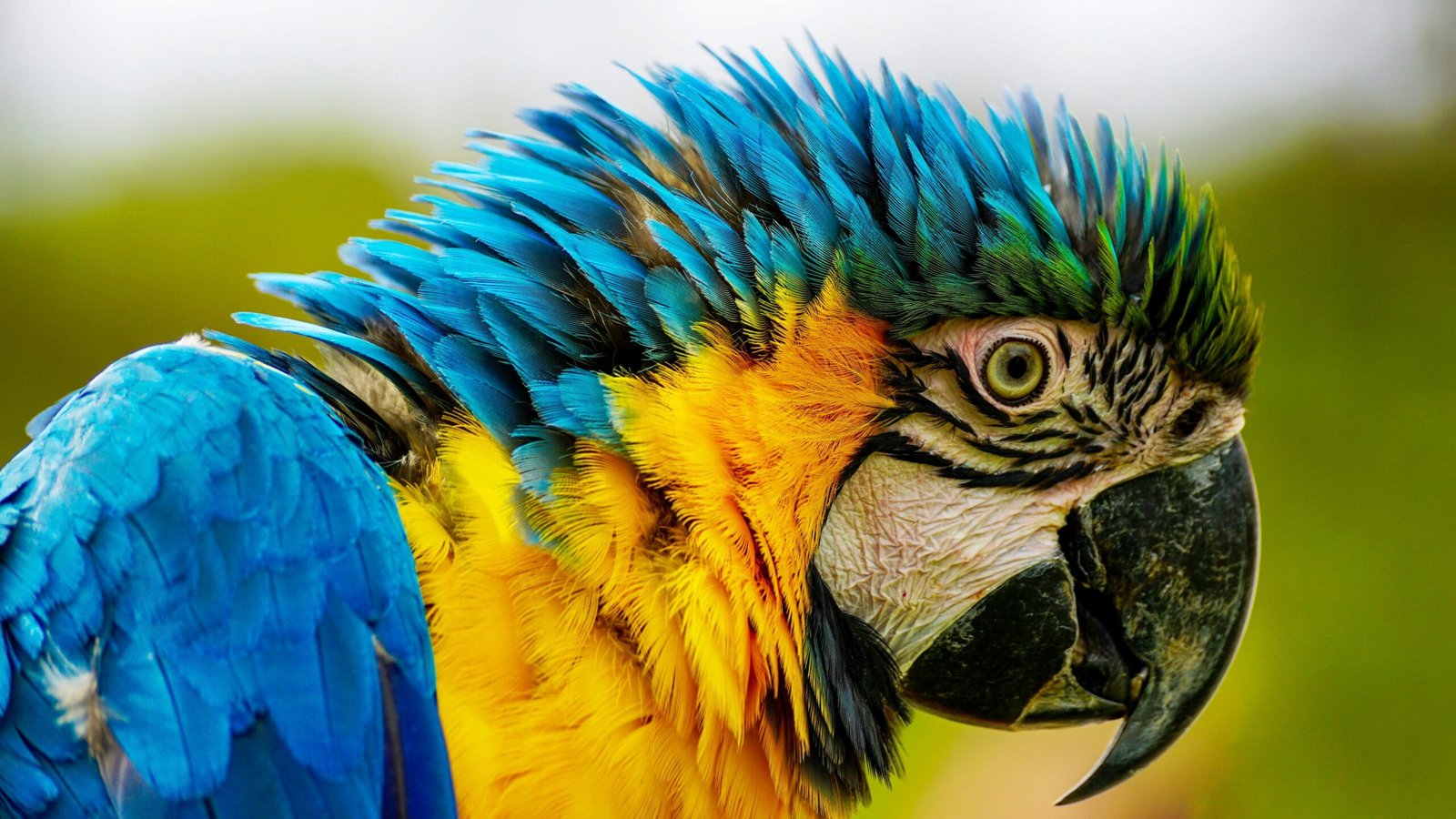
Housing and Environment
Parrots require spacious cages that allow for movement and exercise. The cage should be equipped with perches of different sizes and textures to promote foot health. Provide toys and enrichment activities to stimulate mental engagement. The cage should be placed in a well-lit area away from drafts, direct sunlight, and fumes.
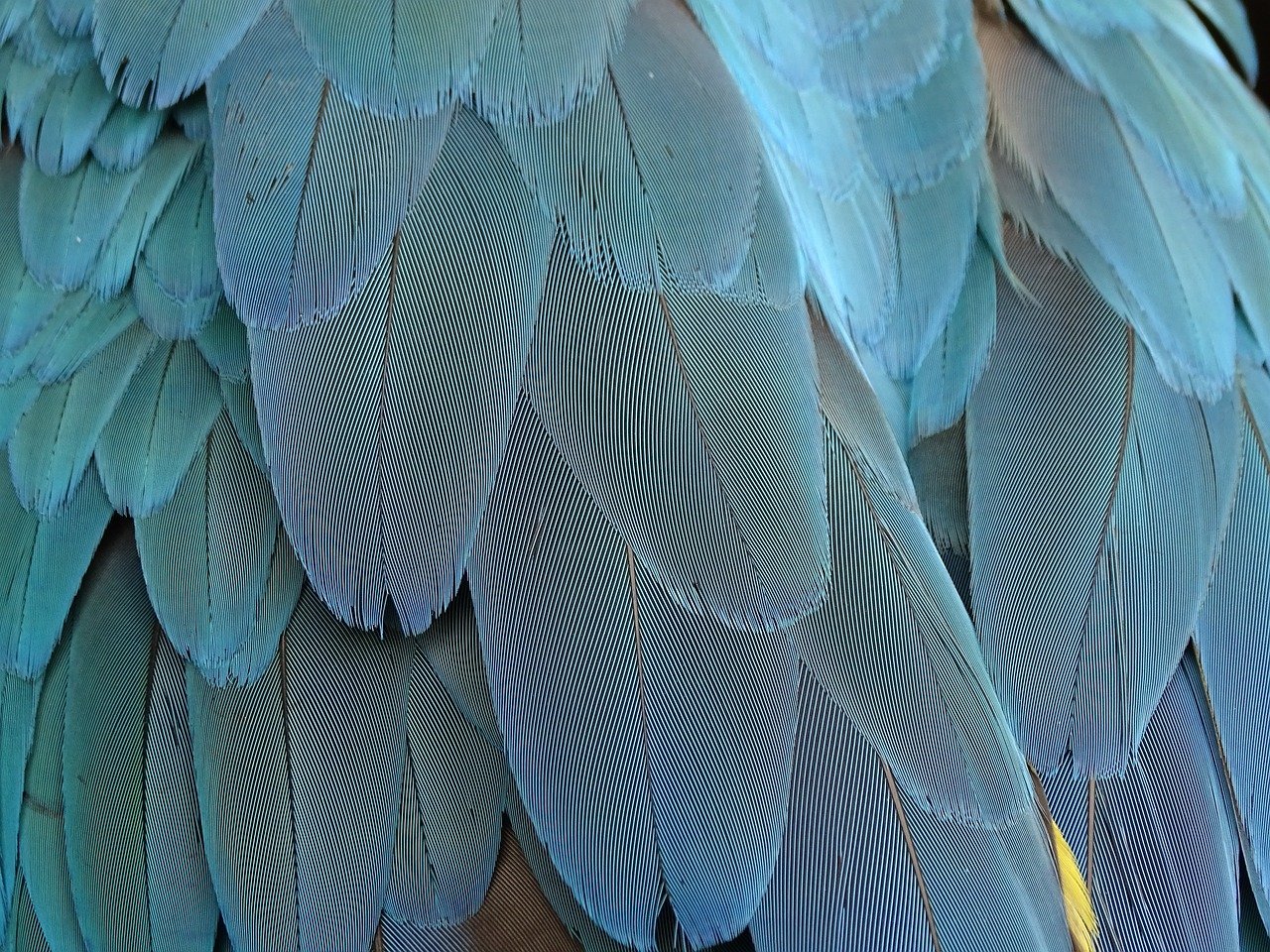
Grooming
Parrots require regular grooming including nail trimming, beak maintenance, and occasional bathing or misting to keep feathers clean and healthy. Provide opportunities for natural preening behaviors.
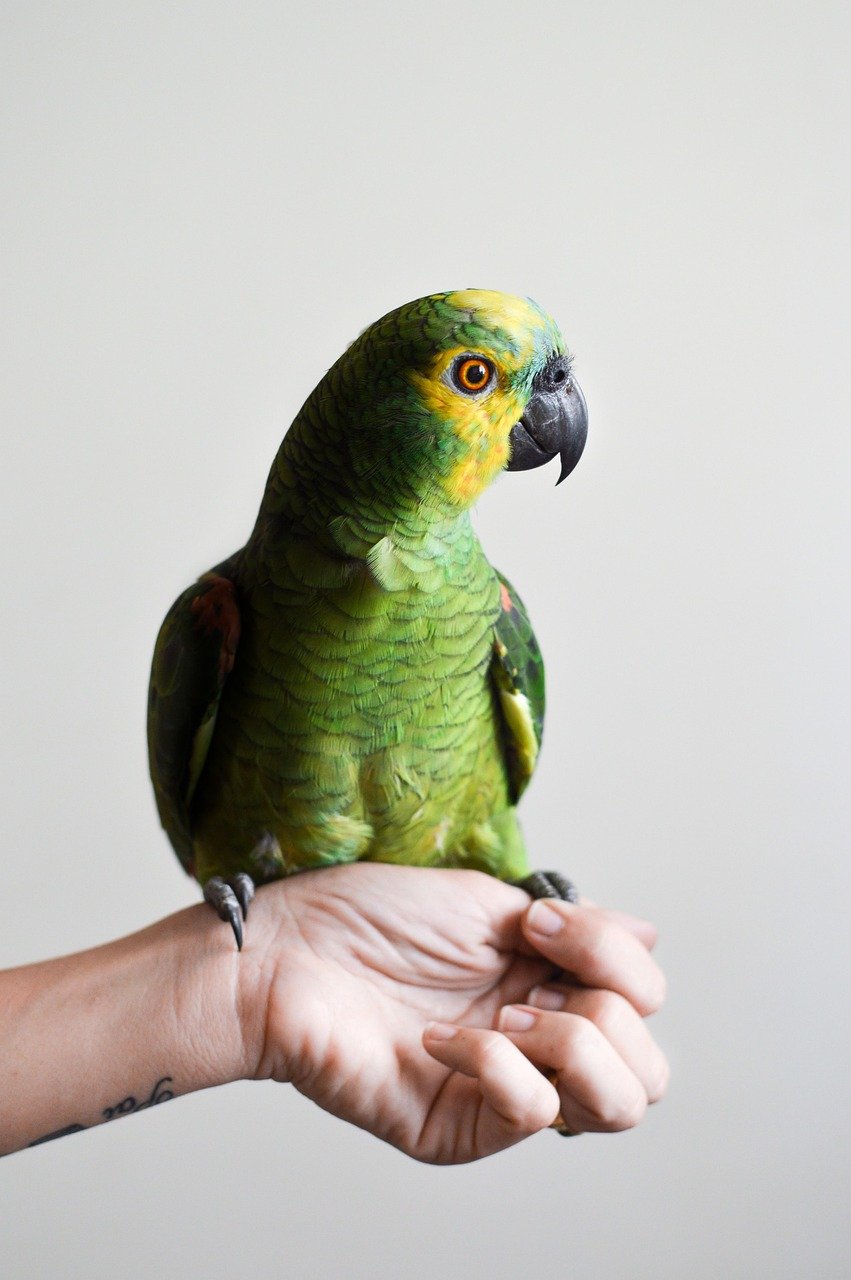
Social Interaction
Parrots are highly social creatures that thrive on interaction with their owners or other birds. Daily socialization helps prevent loneliness and behavioral issues such as screaming or feather plucking. Spend quality time talking, playing, and training your bird to foster a strong bond.
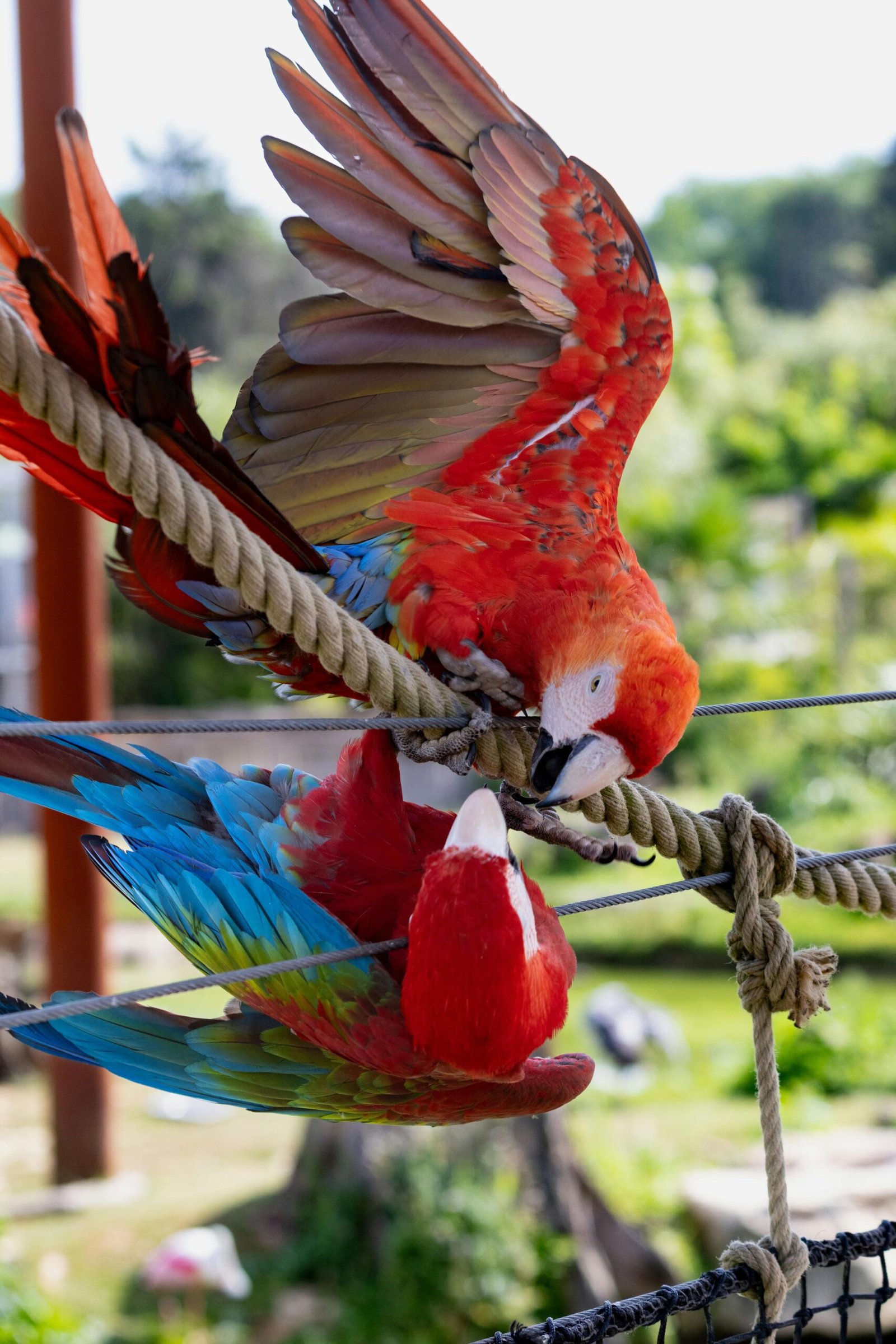
Play and Enrichment
Encourage natural behaviors like foraging by hiding food in toys or providing puzzle feeders. Rotate toys regularly to maintain interest and prevent boredom. By adhering to these guidelines, owners can ensure their parrots lead healthy, fulfilling lives as cherished companions.
Diet and Nutrition
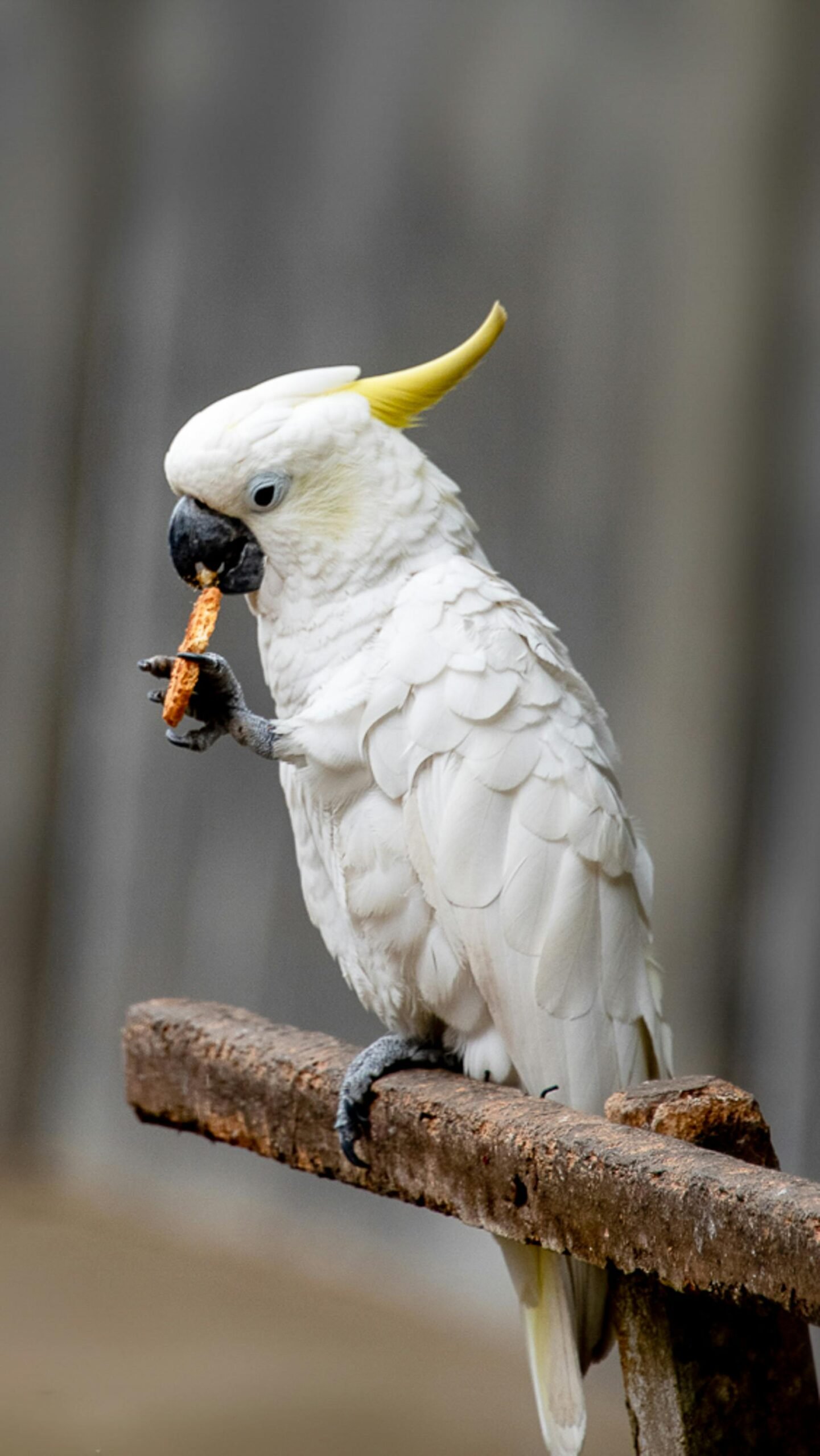
A balanced diet is essential for parrots to thrive. Their diet should include a variety of fresh fruits, vegetables, high-quality pellets, and occasional seeds. Avoid feeding them avocado, chocolate, caffeine, or alcohol, as these substances are toxic to birds. Fresh water must always be available and changed daily.
Health Care
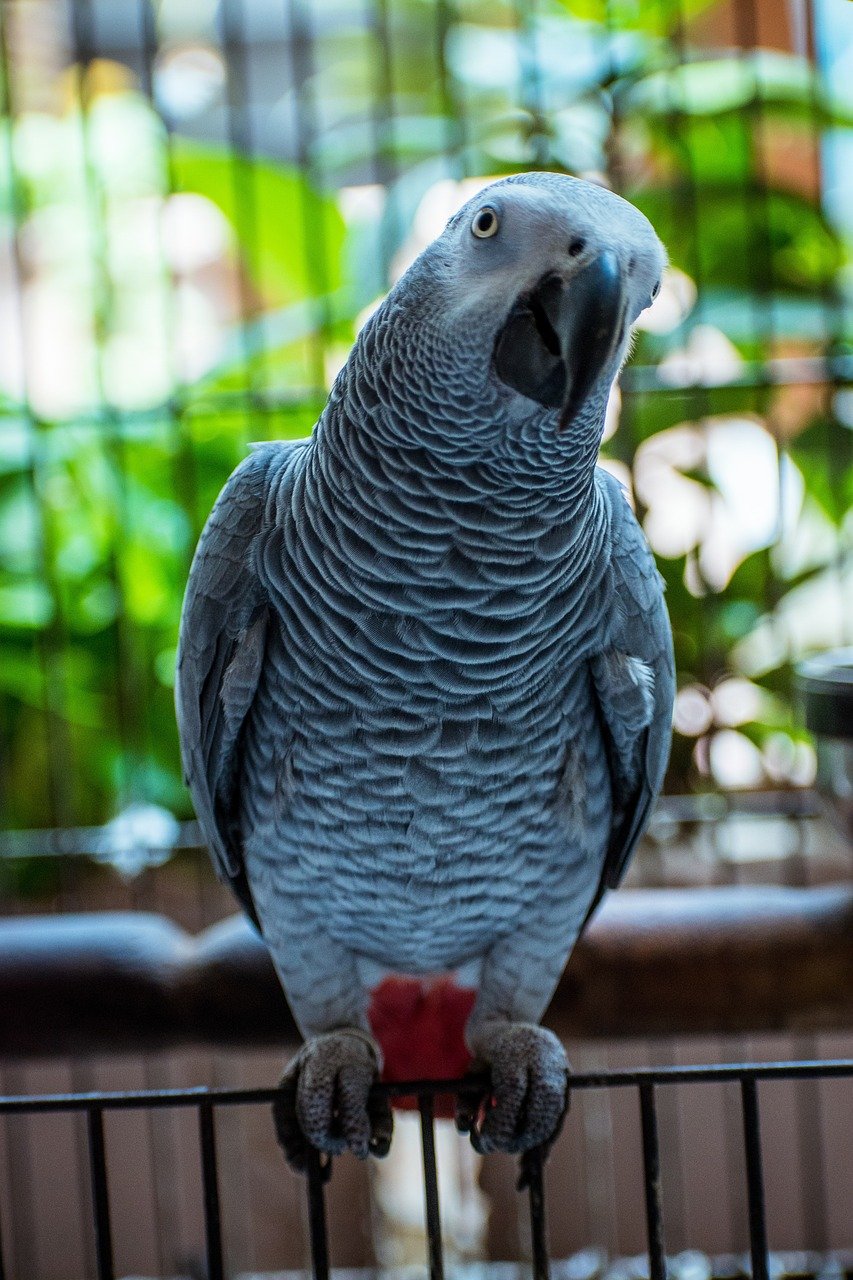
Regular veterinary check-ups are vital for early detection of health issues. Watch for signs of illness such as changes in appetite, droppings, feather condition, or behavior. Maintain good hygiene by cleaning the cage regularly and providing safe materials for nesting or chewing.
Join Mailing List
Sign up and get all the latest news sent to your inbox.
Last Modified