
Understanding Parrot Cage Types
When selecting a suitable cage for a parrot, it is crucial to consider the specific needs of the bird species, as various types of cages serve different purposes. Parrots, being active and intelligent creatures, require ample space and stimulation, making it essential to choose a cage that fosters their well-being. One common option is the aviary-style cage, which typically offers space for flight and exploration. These cages are often larger and can accommodate multiple birds, providing ample room for exercise and social interaction.
In contrast, standard pet cages are more compact, designed to hold one or two birds. While they may suffice for smaller parrot species, it is important to select a cage that allows for adequate movement and play. The size of the cage should be proportional to the bird’s size and activity level, with a recommended minimum height and width to ensure freedom of movement. For instance, larger species such as Macaws or Cockatoos require cages that are significantly taller and wider than those suited for smaller Parakeets or Budgerigars.
Material choice is another factor that should not be overlooked. Cages made from stainless steel or powder-coated metal are highly recommended due to their durability and safety. Plastic components should be avoided as they can be chewed and may contain harmful toxins. Additionally, the design features of the cage, such as bar spacing, play a critical role in the safety and happiness of the parrot. Ideally, the spacing between bars should prevent the bird from escaping or getting stuck, while providing enough security without compromising ventilation.
Multi-level cages are another design option that allows for climbing and exploration, replicating a parrot’s natural habitat. Such designs include shelves or platforms to enrich the bird’s environment. Overall, understanding the essential factors such as size, material, and design features is vital in creating a comfortable and fulfilling living space for parrots, ensuring they thrive both physically and mentally.
Essential Accessories for Parrot Cages
Creating an appropriate environment for pet parrots requires incorporating essential accessories within their cages. These items are not merely decorative; they play a vital role in promoting the well-being, health, and happiness of your parrot. One of the most critical accessories is the selection of perches. It is crucial to include perches of varying sizes and materials. This variety not only prevents boredom but also helps in maintaining the bird’s foot health. Natural wood perches, for instance, allow for the bird’s natural scratching behavior, while platform perches offer opportunities for resting and playing.
Additionally, the inclusion of toys is paramount in fostering mental stimulation. Parrots are intelligent creatures that require engagement to prevent behavioral issues. Toys made from non-toxic materials that encourage chewing and manipulation can significantly reduce boredom. Rotate the toys regularly to sustain the parrot’s interest and challenge its problem-solving abilities. Puzzle toys or foraging toys are particularly effective, as they encourage the bird to think and work for its treats, offering both enrichment and exercise.
Food and water dispensers also require careful consideration. These should be designed for easy access, enabling parrots to eat and drink comfortably without the risk of contamination. Opting for stainless steel or ceramic bowls rather than plastic can enhance cleanliness while being durable. Consider also that the placement of these containers should allow for natural behaviors, such as climbing and reaching, further enriching the cage environment.
The importance of enrichment through interaction and activity cannot be overstated. Parrots thrive in stimulating environments; hence, integrating accessories that promote exploration and play is crucial. Each accessory contributes to the overall quality of life for the parrot, nurturing its physical health and mental acuity while reinforcing the bond with the owner. Thus, selecting appropriate accessories is a fundamental aspect of developing the ideal parrot habitat.
Optimal Placement of Parrot Cages
When setting up a parrot’s living environment, the placement of their cage is a critical factor that influences their overall health and well-being. Strategically locating the cage involves considering several key aspects including natural light, noise levels, and physical safety from potential hazards. Parrots thrive in environments that mimic their natural habitats, which is why ensuring adequate exposure to natural light is essential. Placing the cage near a window that allows sunlight to filter in can enhance their mood and promote physical health, but it is important to ensure that it does not overheat or expose them to drafts.
Noise is another factor that can greatly affect a parrot’s behavior and stress levels. Cages should be placed in a quiet area of the home, away from loud appliances and commotion, which can lead to anxiety in these social creatures. However, it is equally important to ensure that the parrot is not isolated. Parrots are highly social animals that require interaction and stimulation; thus, positioning the cage in a commonly used area of the home encourages regular interaction with family members while maintaining a peaceful atmosphere.
Physical safety must also be a priority when placing the cage. It is crucial to keep it away from potential dangers such as open doors, windows, or areas where other pets may roam. Additionally, create a distraction-free environment by ensuring that hooks, cords, or sharp objects do not pose a risk to your parrot’s safety. Finally, consider creating a layout that allows for enriching activities around the cage, such as play stand stations or hanging toys, which engage the bird and encourage healthy mental stimulation. This thoughtful approach to cage placement not only fosters well-being but promotes a harmonious relationship between the parrot and its caretakers.
Maintaining a Healthy Cage Environment
Creating and maintaining a healthy cage environment for parrots is essential for their well-being. To start, establishing a regular cleaning routine is critical. Owners should aim to clean the cage at least once a week, removing any uneaten food, debris, and waste. This practice helps prevent the buildup of harmful bacteria that can lead to health concerns for your avian companions. Daily spot cleaning, such as wiping down surfaces and replacing soiled bedding, also plays a vital role in maintaining hygiene.
Proper ventilation is another significant factor in ensuring a healthy living space for parrots. Good airflow helps to disperse moisture and reduces the risk of respiratory issues. Cages should be placed in well-ventilated areas, away from drafts but still receiving fresh air circulation. Additionally, it is important to monitor humidity levels, as too much humidity can lead to mold growth, while excessively dry air can irritate your bird’s respiratory system. Aim for humidity levels between 40-60% to provide an ideal atmosphere.
Owners should also be aware of the importance of biosecurity, especially if multiple birds are kept in the same environment. Implement practices such as quarantining new birds before introducing them to existing pets. Preventing the spread of diseases can significantly contribute to the overall health of your parrot population. It is advisable to maintain a strict cleaning schedule for food and water dishes, ensuring they are washed with bird-safe solutions and dried thoroughly before reuse.
To optimize the cage environment efficiently, establish a checklist or schedule, detailing daily, weekly, and monthly cleaning tasks. Incorporating these practices will help create a safe, clean, and healthy habitat for your parrots, significantly enhancing their quality of life.

- Package includes: 2 PCS bifurcation bird standing stick, 2 PCS no branch bird standing stick.
- Natural vins: two different types to choose. Bifurcation/ no branch. Size: length: 23-30cm/9.06-11.81inch; Diameter 2-3c…
- Offering a naturally uneven surface, our grapevine perch challenges your parrot as he or she gets in some leg and feet e…
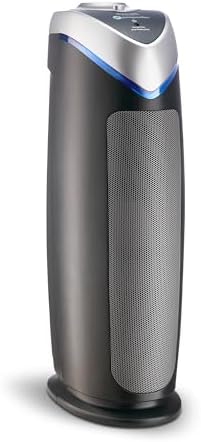
- TRUE HEPA 3-LAYER PROTECTION: HEPA filter captures 99.97% of smoke, dust, pollen, and pet dander as small as 0.1 microns…
- ZERO OZONE CERTIFIED: Optional UV-C light reduces airborne allergens, germs, bacteria, and mold spores** while deliverin…
- WHOLE ROOM COVERAGE: Cleans a 153 sq. ft. room in just 12.5 minutes or up to 743 sq. ft. every hour—ideal for bedrooms, …

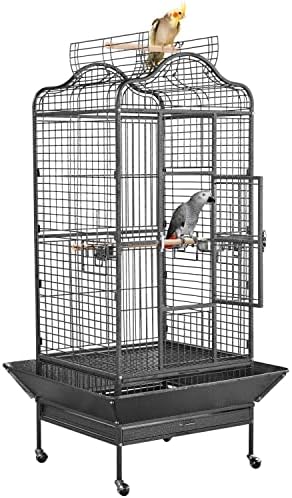

- Versatile: Our small parrot playstand includes 8 hooks for hanging multiple toys and treats, along with 3 ladders for pl…
- High-Quality: Double cups provide room for food, water, or treats when your pet needs a break. The easy-rolling caster s…
- Interactive: The small parrot and bird play stand has multiple climbing and activity areas for active birds. The bird ac…